7 Signs Your Septic Tank Needs Pumping
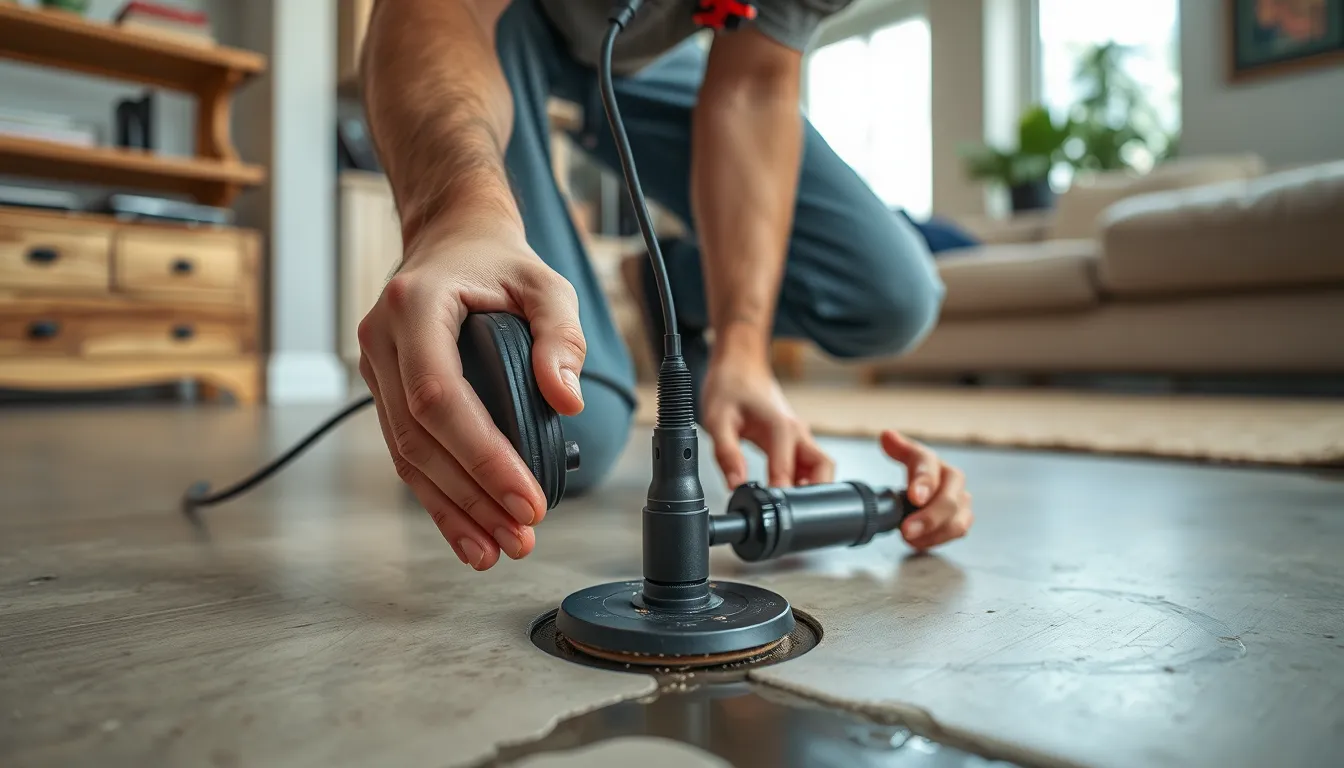
A septic tank does not fail without warning. It sends signals for weeks or months first — a drain that runs a little slower, a smell that was not there before, a patch of grass that grows faster than the rest of the lawn. Homeowners who notice those signals get a routine pump-out. Homeowners who miss them get a backup.
This guide covers the seven signs that matter, in the order you are most likely to see them. Each one explains what is happening, how urgent it is, and what to do. Sign five is the one people ignore most often — and it is the one that means the drain field is already in trouble.
1. Drains are slow throughout the house
When every drain in the house runs slowly — sinks, showers, and toilets together — the problem is usually the tank, not a single pipe. A full tank leaves nowhere for wastewater to go, so everything drains slowly. Book a pump-out this week, before the slow drains become a backup.
A single slow drain can also be a warning if it is the lowest fixture in the house — the shower or toilet on the ground floor is usually the first place a full tank shows itself. If the lowest drain is the slow one, treat it as a tank problem until proven otherwise.
2. Gurgling sounds from drains and toilets
Gurgling happens when air is trapped in the plumbing by a tank that is full or a line that is backing up. You will hear it most often when a toilet flushes or a sink drains, and it usually shows up alongside slow drains. It is an early warning, not yet an emergency — but do not ignore it for long.
3. Sewage odors inside or outside the house
A working septic system should not smell. Odors inside the house, around drains, or over the yard mean gases are escaping — usually because the tank is full, a vent is blocked, or the drain field is saturated. If the smell is strong or it is getting worse, book a pump-out and an inspection this week.
Outdoor odors are easy to dismiss in summer, when heat makes every smell stronger, but a septic smell over the yard or near the tank lid is not normal in any season. If the smell comes and goes with water use — stronger after showers or laundry — the tank is the likely source.
4. Lush, green grass over the drain field
A patch of grass over the drain field that grows faster, greener, and thicker than the rest of the lawn is being fertilized by effluent. It looks harmless — even healthy — but it means wastewater is reaching the surface instead of filtering down through the soil. It is a sign the field is overloaded, and it is worth an inspection.
5. Soggy ground or standing water over the drain field
This is the sign people ignore most often, and it is the one that matters most. Standing water or soggy, spongy ground over the drain field means effluent is surfacing because the soil can no longer absorb it. The drain field is already in trouble. Call now — this is not a book-it-next-month problem, and pumping alone may not fix it if the field is clogged.
Do not let a dry spell fool you. Soggy ground over the field in a dry week, with no rain and no sprinklers running, can only mean one thing: water is coming up from below. Mark the spot and call us — it helps the technician to know exactly where the ground is wettest.
6. Sewage backing up into the house
Sewage coming up through a shower drain, a toilet, or a floor drain is an emergency. Stop using water right away — no laundry, no showers, no extra flushes — and call us at (661) 441-3952. We pump septic emergencies around the clock, and a backup is the one sign that never waits until morning.
7. You cannot remember the last pump-out
If you cannot remember when the tank was last pumped — or you know it has been more than five years — the tank is due, whether or not you have seen any other sign. A tank does not need to show symptoms to be full. An inspection will measure the sludge level and tell you exactly where you stand.
One slow drain vs. the whole house: the clog rule
One slow sink or one slow shower is almost always a clog in that fixture's own drain, and a plunger or a drain snake will usually clear it. The whole house running slow — every sink, every shower, and the toilets together — is a different problem, and it points to the tank or the main line. The rule is simple: one fixture is a clog, the whole house is the tank.
What to do when you spot a sign
Some signs mean call now, and some mean book this week. A sewage backup, surfacing sewage in the yard, or a sounding septic alarm means call now, day or night, at (661) 441-3952. Slow drains, gurgling, odors, or unusually green grass mean book a pump-out this week. While you wait, cut back on water use and do not add chemical drain cleaners or septic additives — they will not clear a full tank and they can damage the system.
If you are not sure how urgent your sign is, call and describe it. A short call costs nothing, and we would rather tell you it can wait a week than have you wait a week on something that could not. When you call, tell us when the tank was last pumped, how many people live in the home, and which signs you have seen — that is enough for us to judge the urgency.
How often should you pump anyway?
Even with no warning signs at all, a septic tank should be pumped every three to five years — that is the EPA's recommendation, and it is the schedule that keeps solids out of the drain field. Our guide to how often a septic tank should be pumped has the full household and tank-size table, so you can set a schedule for your own tank instead of waiting for a sign.
Get a free estimate
Reading is a good start — a site visit is better. Tell us about your system and we will check it, pump it if it is due, and give you a fixed number. Free, no obligation.
Related service: Septic Tank Pumping
Request a Free Estimate
Tell us about your septic system — we reply within one business day.