Septic Tank Pumping in Santa Clarita, CA
Clean Septic Tanks pumps, cleans, and inspects septic systems across the Santa Clarita Valley — Santa Clarita, Valencia, Canyon Country, Newhall, and Castaic — 24 hours a day, 7 days a week.
How full is your tank? When sludge reaches a third of the tank, it is time to pump. Most tanks hit that mark every 3–5 years — we measure it on site and tell you straight.
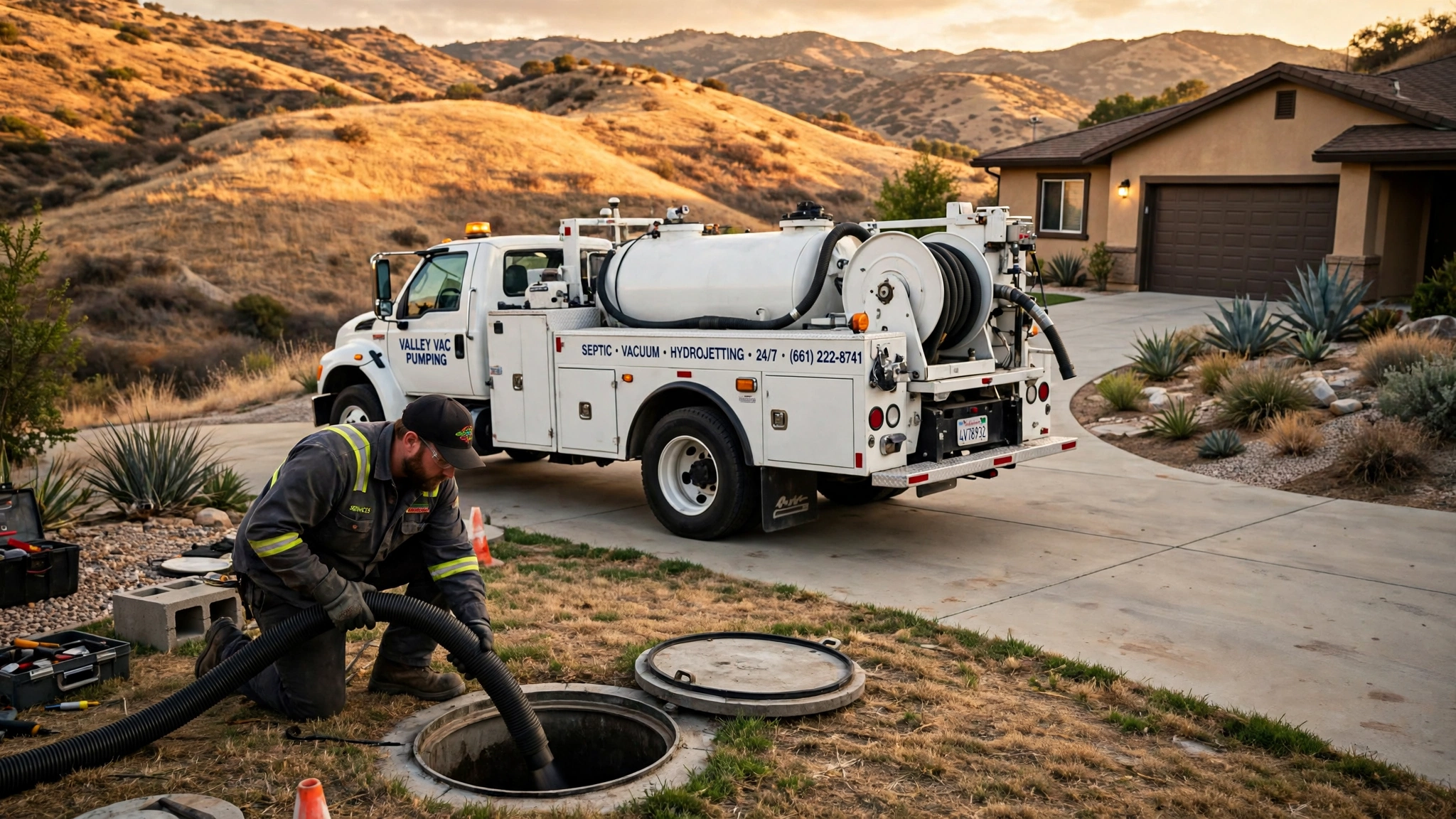 Septic tank pumping in Santa Clarita, CA
Clean Septic Tanks is a septic service company based in Santa Clarita, California, at 33297 Wagon Wheel Road. We pump, clean, and inspect septic tanks and cesspools for homes and businesses across the Santa Clarita Valley, and we answer the phone around the clock. When your tank is due — or when sewage is backing up into the house — call (661) 441-3952 and a technician will come to you.
A septic tank is easy to forget because it is buried in the yard and it works quietly for years. Inside the tank, solids settle to the bottom as sludge, grease and light material float to the top as scum, and the clarified water in the middle flows out to the drain field. Pumping removes the sludge and scum before they can clog the field, and that one routine job is what keeps the whole system working.
Most homes in the Santa Clarita Valley are connected to the city sewer, but many properties are not — horse properties, larger lots, and homes in the canyons and hillsides still run on septic. If yours is one of them, this page explains what pumping and cleaning do, how often your tank needs service, what to watch for, and what it costs — or call us and we will tell you honestly whether your tank is due.
Septic tank pumping and cleaning across the Santa Clarita Valley
We handle the full life of a septic system, from the first inspection to an emergency pump-out at midnight. Every job starts the same way: we find the tank, open it up, pump it out, and check the parts that matter — the baffles, the effluent filter, and the drain field — before we leave. If we find a problem, we tell you what it is and what it will take to fix it.
Homeowners call us most often for a routine pump-out. Property managers and home buyers call us for inspections. And when a drain backs up or an alarm sounds, the call is an emergency. Whatever brings you here, the services below cover it.
- Septic tank pumping — the routine pump-out that removes sludge and scum before they damage the drain field
- Septic tank cleaning — a deeper clean of the tank walls, baffles, and effluent filter
- Septic tank inspection — a full check of the tank, its components, and the drain field, including for home sales
- Septic tank repair — baffles, pipes, filters, distribution boxes, and drain field problems
- Septic tank installation — new systems for properties that need one, sized to the home
- Septic tank replacement — when a tank or a whole system has reached the end of its life
- Emergency septic pumping — 24/7 pump-outs for backups, overflows, and alarms
- Cesspool pumping — pump-outs and service for older cesspool and seepage pit systems
Pumping vs. cleaning: what's the difference?
Pumping and cleaning sound like the same job, and on many visits they overlap, but they are not the same thing. Pumping is the removal of the contents of the tank: the vacuum truck pulls out the liquid, the sludge from the bottom, and the scum from the top. That is the job your tank needs every few years, and it is the job that keeps the drain field alive.
Cleaning goes further. After the tank is pumped, we clean the tank walls, clear the baffles, and remove and clean the effluent filter — the screen that keeps solids out of the drain field. A tank that has gone too long between pump-outs, or one with a clogged filter and slow drains, usually needs the deeper clean rather than a pump-out alone. When we open your tank, we will tell you which one it needs and why.
How septic pumping works
A pump-out takes about one to two hours on a typical residential tank. We start by locating the tank and clearing access to the lid or riser — if your tank has a riser, an access pipe that brings the lid up to ground level, the job is faster and simpler. Then the vacuum truck's hose goes in and removes the liquid, sludge, and scum.
While the tank is empty, we inspect what we can see: the inlet and outlet baffles, the effluent filter, the tank walls, and the liquid level, which tells us whether the drain field is draining properly. Before we leave, we tell you the condition of the tank, what needs attention, and when the next pump-out should be. Before our team arrives, please make sure there is clear access to your septic tank riser or inspection port, and keep cars and equipment off the tank and drain field.
How often should you pump your septic tank?
The U.S. Environmental Protection Agency recommends pumping a septic tank every three to five years. That is the standard cycle for a typical household, and it is the schedule that protects the drain field — the most expensive part of the system to repair or replace. The exact interval for your home depends on the size of your tank and the number of people using it.
A garbage disposal shortens the cycle noticeably, because ground-up food adds solids to the tank faster than a household without one. Heavy water use, a small tank for the size of the household, and a system that has never been pumped all point the same way: pump sooner rather than later. If you do not know when your tank was last pumped, treat it as due and book an inspection — the cost of finding out is far smaller than the cost of a failed drain field.
| People in the household | Pumping interval for a 1,000-gallon tank |
|---|---|
| 1 person | About every 12 years |
| 2 people | About every 6 years |
| 4 people | About every 3 years |
Pumping intervals for a 1,000-gallon tank, by household size. A larger tank stretches each interval; a garbage disposal shortens it.
Signs your tank is due for pumping
Your septic system usually warns you before it fails. Drains that run slow throughout the house — not just one sink, but all of them — are the most common early sign. Gurgling sounds from drains or toilets, sewage odors inside the house or over the yard, and grass that is suddenly greener and lusher over the drain field all point to a tank that is full or a field that is struggling.
Standing water or soggy ground over the drain field, sewage backing up into a shower or toilet, and a septic alarm sounding are not early signs — they are emergencies, and the tank needs attention the same day. If you are seeing any of these, stop running water where you can and call us at (661) 441-3952. The full list, with what each sign means and how urgent it is, is in our guide to the signs your septic tank needs pumping.
24/7 emergency septic pumping
Septic emergencies do not wait for business hours, and neither do we. Clean Septic Tanks is available seven days a week, around the clock, for sewage backups, overflowing tanks, alarms, and sewage surfacing in the yard. Call (661) 441-3952 any time, day or night.
While you wait, stop using water: no laundry, no showers, and no extra flushes. Every gallon that goes down a drain adds pressure to a system that is already full. Do not add chemical treatments or drain cleaners — they will not clear a full tank and they can damage the system. We will pump the tank out, inspect it, and tell you what caused the backup and what it will take to keep it from happening again.
Where septic systems actually are in the Santa Clarita Valley
Most of Santa Clarita, Valencia, Canyon Country, and Newhall is on city sewer, so it is worth saying plainly: not every home here has a septic tank. Septic systems are concentrated where the sewer lines never reached — the outlying and rural edges of the valley, horse properties and larger lots, and hillside and canyon properties where connecting to the sewer was never practical.
That includes homes in Sand Canyon, Placerita Canyon, and Bouquet Canyon, properties around Castaic, and the rural stretches toward Agua Dulce and Acton just outside the valley. Older homes on large lots in these areas often run on a septic tank or, in the oldest cases, a cesspool. If you are not sure whether your property is on septic or sewer, check your property records or call us — we can usually tell from the address.
Typical pumping costs by tank size
Typical ranges published by national cost guides for septic pumping. Your exact price comes from a free on-site estimate — size, sludge depth, lid access and timing move the number.
| Tank size | Typical range |
|---|---|
| 750 gallons | $250–$550 |
| 1,000 gallons | $325–$700 |
| 1,250 gallons | $375–$900 |
| 1,500 gallons | $450–$1,100 |
| 1,750 gallons | $550–$1,250 |
Pumping is the cheapest septic work there is — a few hundred dollars every 3–5 years, against a $5,000–$15,000 failed-system repair when a tank is left too long. The cost guide breaks down every factor: add-ons, inspection costs, emergency pricing, and how to keep the bill down.
Services
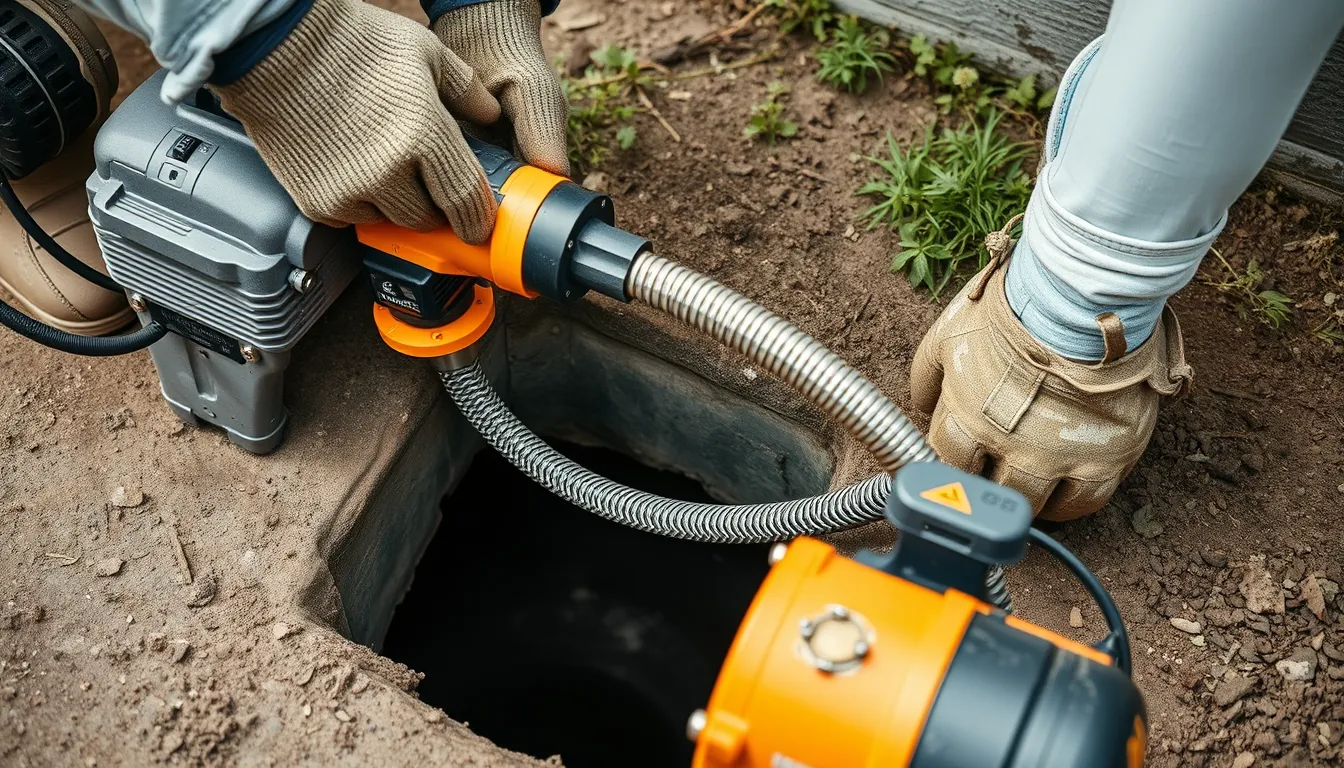 Septic Tank Pumping
A full pump-out by an experienced crew, with the tank, baffles and drain field checked while we are there. Serving Santa Clarita, Valencia, Canyon Country, Newhall and Castaic, 24 hours a day, seven days a week.
Learn more →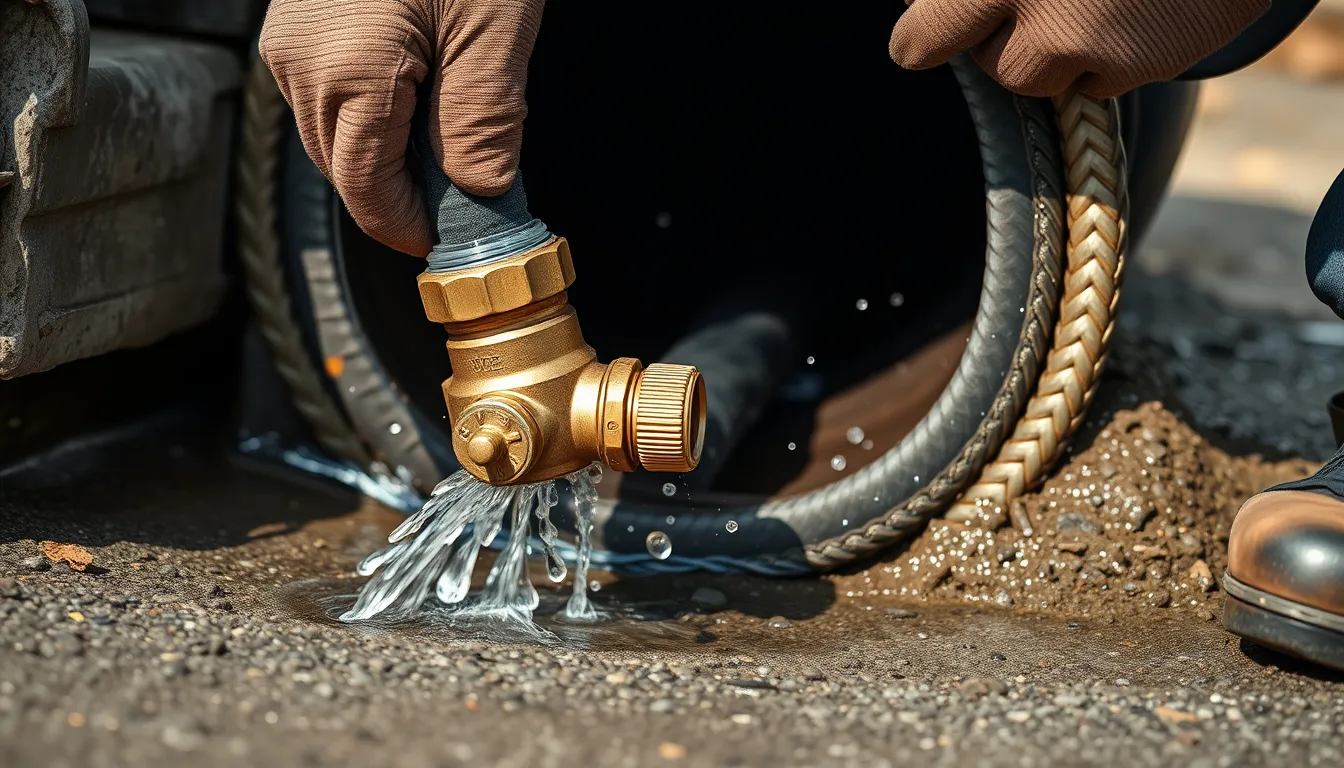 Septic Tank Cleaning
A deep clean goes further than a pump-out: walls washed down, baffles cleared, the effluent filter cleaned, and the drain field checked. Serving the whole Santa Clarita Valley, 24 hours a day.
Learn more → Certified Inspection
Septic Tank Inspections
A thorough inspection of the tank, baffles, filter, distribution box and drain field, with a written report you can hand to a buyer, a seller or a lender. Serving the Santa Clarita Valley, 24 hours a day.
Learn more →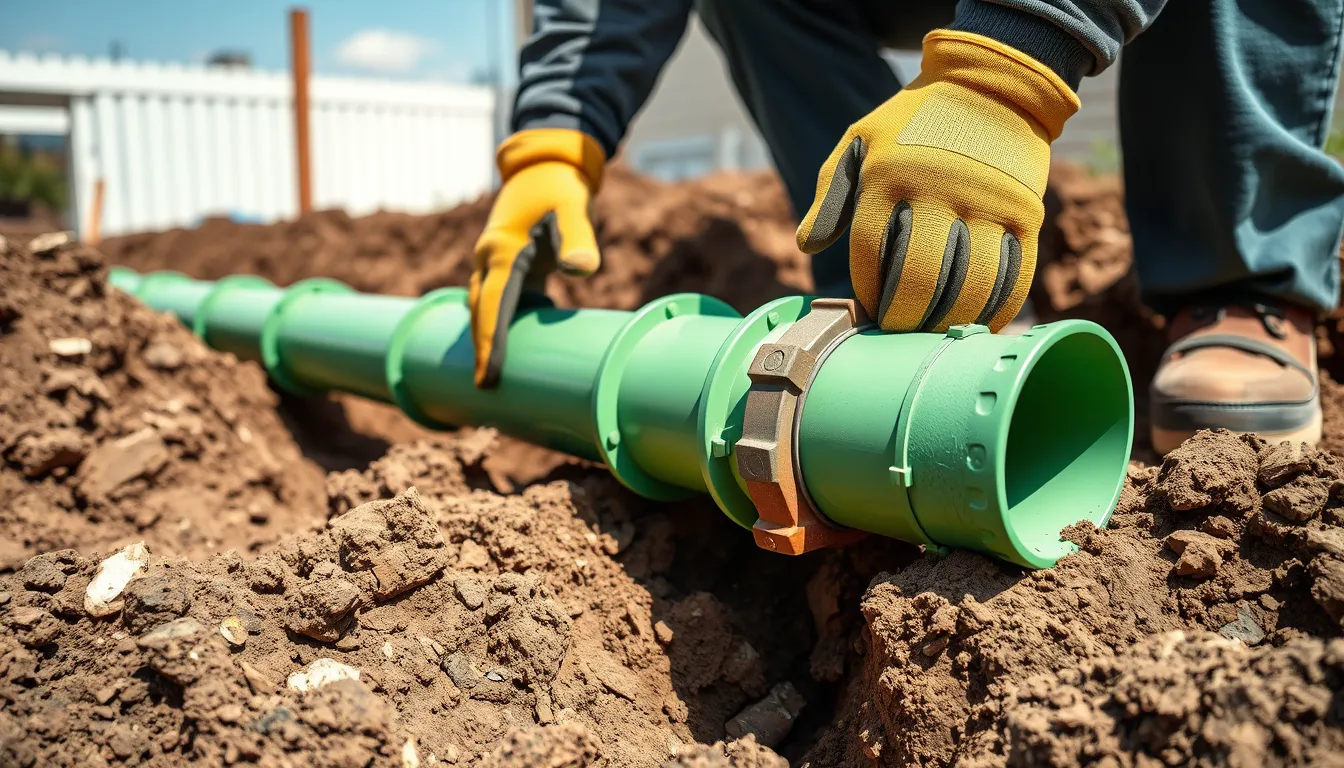 Septic Tank Repair
From a broken baffle to a clogged drain field, we find the fault and fix it, then test the system before we leave. Serving the Santa Clarita Valley, with emergency repairs 24 hours a day.
Learn more →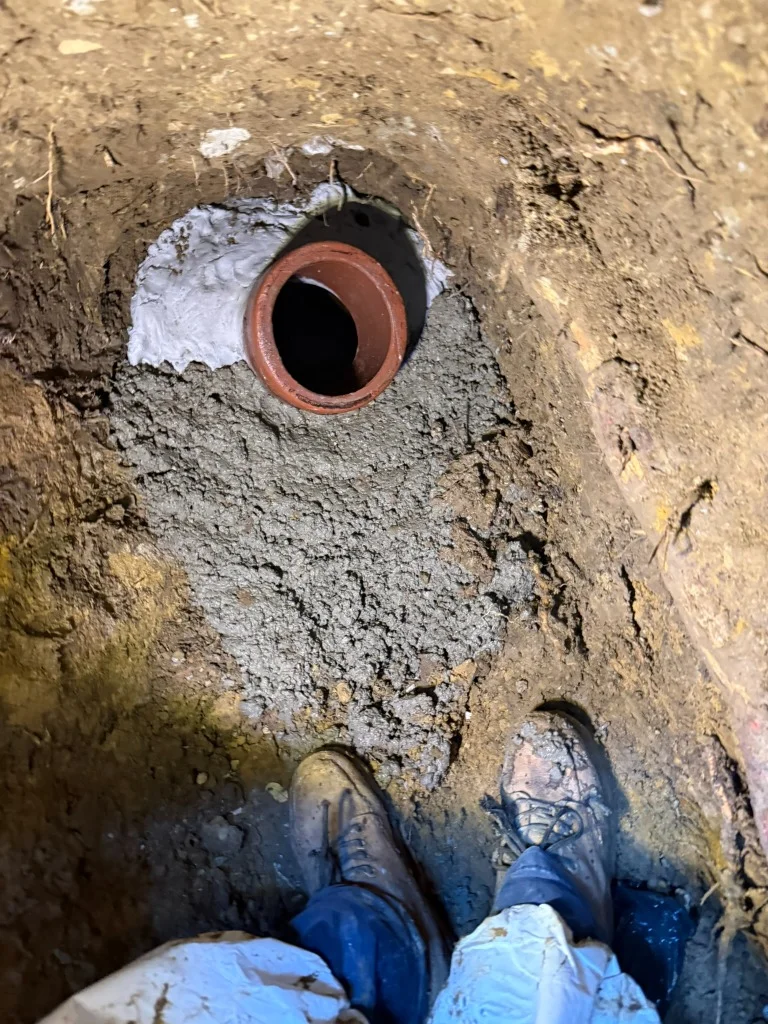 Septic Tank Installation
A new septic system for your Santa Clarita Valley home, installed right the first time — site evaluation, permits, excavation and final inspection handled by our team.
Learn more →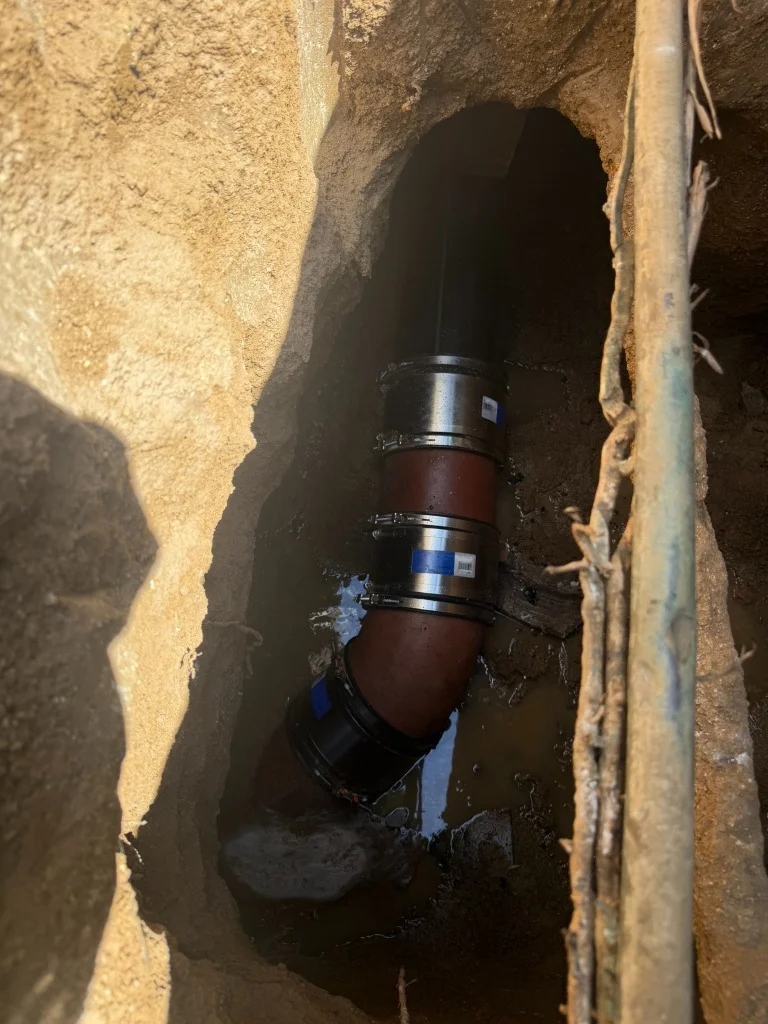 Septic Tank Replacement
When your septic system is past repair, we replace it properly — the right tank, the right field, permitted and inspected, with a free on-site estimate first.
Learn more →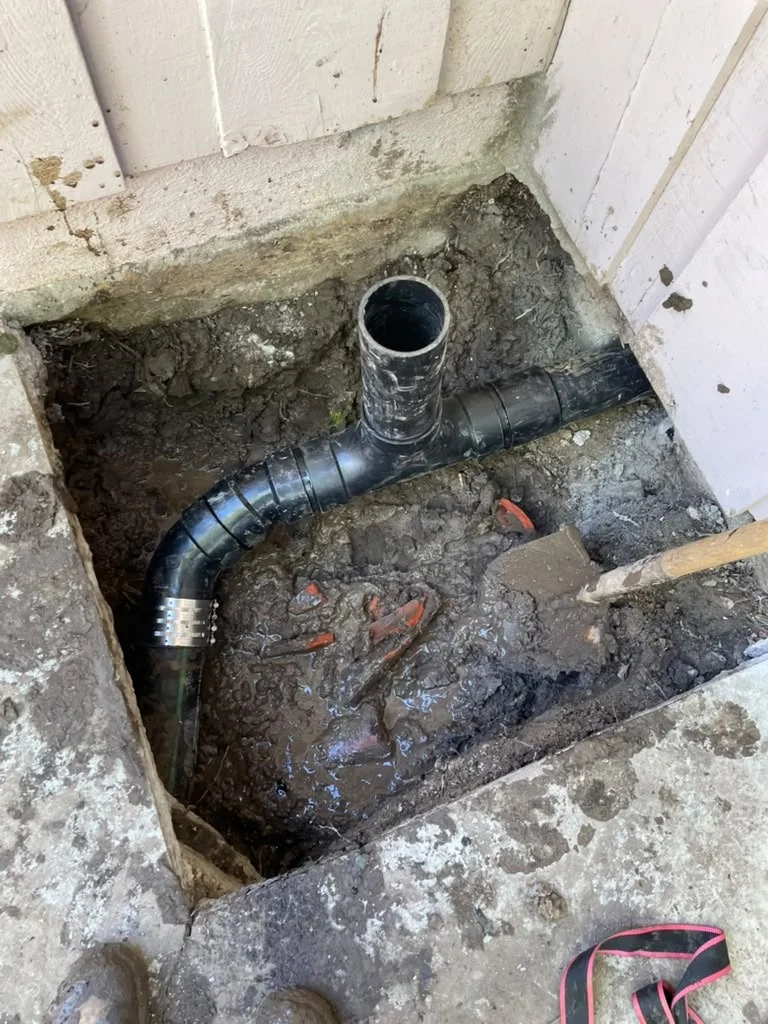 24/7 Emergency Service
24/7 Emergency Septic Pumping
Sewage backing up into your home cannot wait until Monday. We answer 24/7 across the Santa Clarita Valley — call (661) 441-3952 and we will get a truck to you.
Learn more →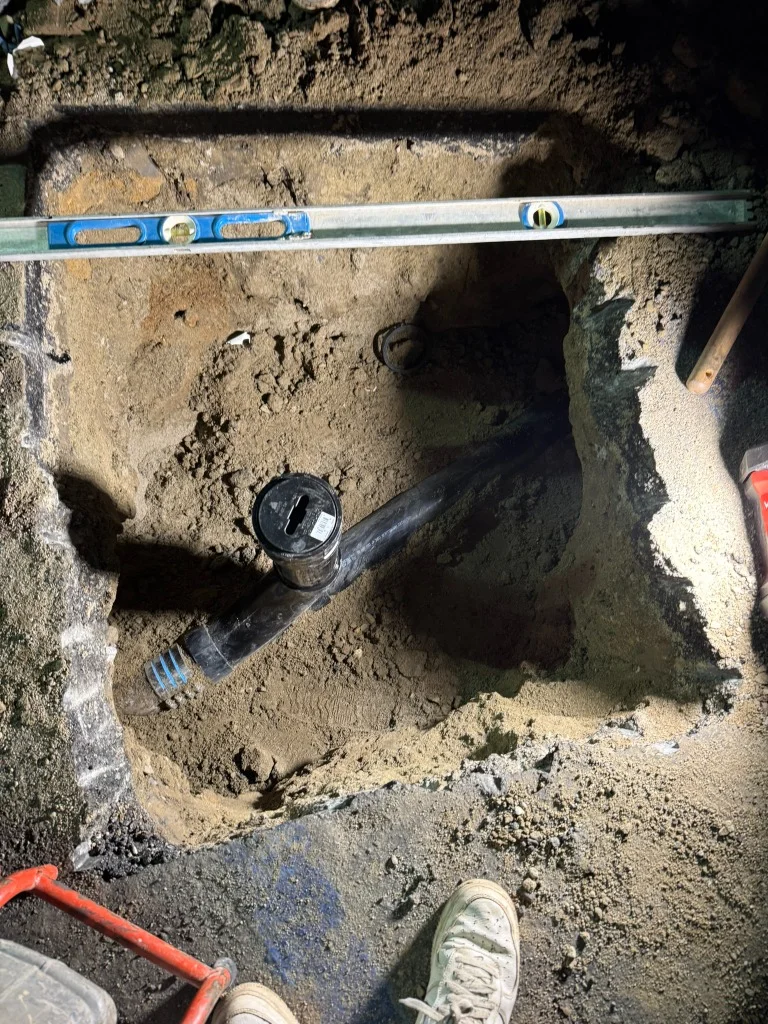 Cesspool Pumping
Older Santa Clarita Valley properties often run on a cesspool or seepage pit, not a tank. We pump them, inspect them, and replace them when they are done — call (661) 441-3952.
Learn more → Cost Guide How Much Does Septic Pumping Cost?
The full 2026 price breakdown by tank size — plus inspection, cleaning, add-ons and emergency pricing.
Read the guide →Septic guides
How Often Should a Septic Tank
The short answer is every three to five years — but the right interval for your home depends on your tank size and how many people use it. Here is how to work it out.
Read the guide →
7 Signs Your Septic Tank Needs Pumping
Your septic system warns you before it fails. Here are the seven signs that mean your tank needs pumping — and how to tell which ones mean call today.
Read the guide →
Septic Tank Maintenance: The Checklist
A septic system fails slowly, then all at once. This checklist covers what to check every year, what to do every three to five years, and the seven habits that kill a system.
Read the guide →