Septic Tank Pumping in Santa Clarita, CA
A full pump-out by an experienced crew, with the tank, baffles and drain field checked while we are there. Serving Santa Clarita, Valencia, Canyon Country, Newhall and Castaic, 24 hours a day, seven days a week.
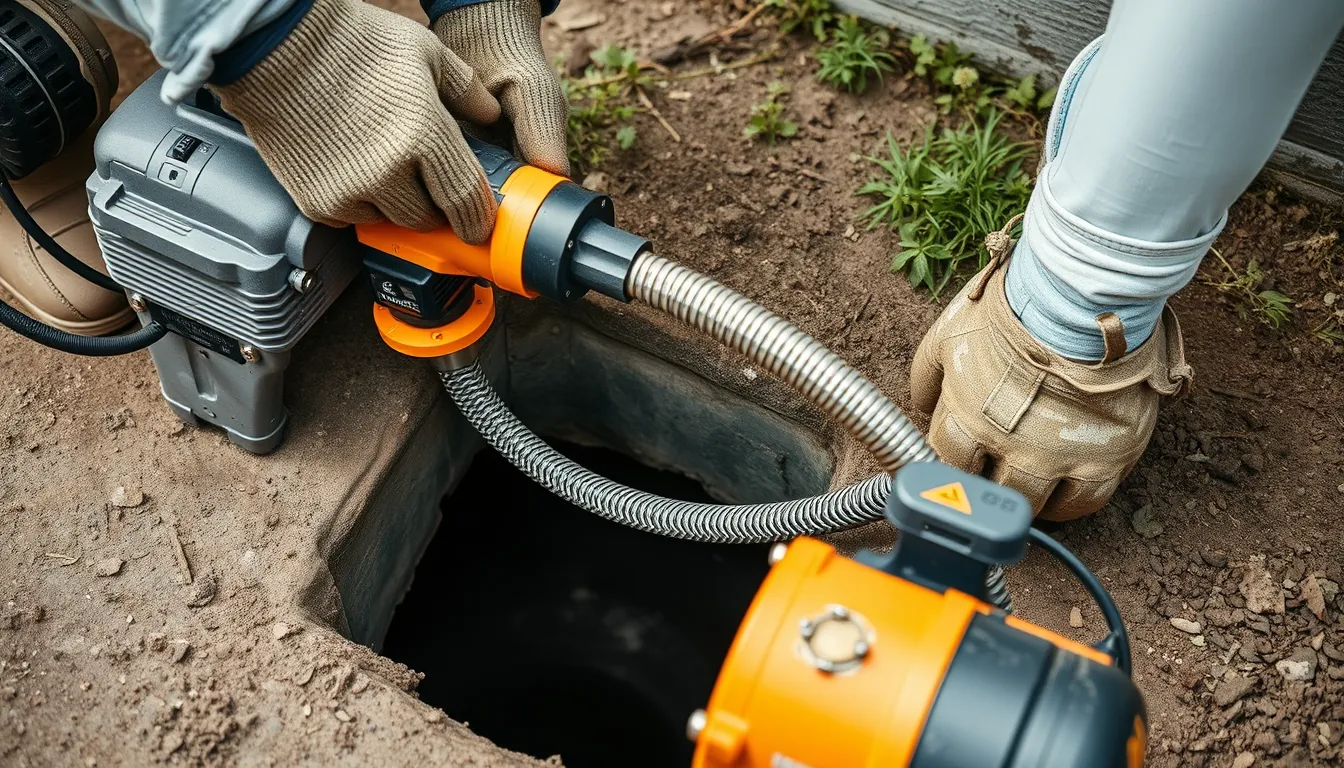 Septic Tank Pumping
A septic tank works quietly for years until something goes wrong. Inside the tank, three layers form over time: scum floats on top, effluent sits in the middle, and sludge settles on the bottom. The tank holds the solids while the liquid flows out to the drain field. When the sludge and scum layers get too thick, solids escape into the field, and that is where expensive problems begin.
Septic tank pumping is the routine service that keeps that from happening. A vacuum truck removes the accumulated solids and liquids from the tank, restoring the space the system needs to work. Clean Septic Tanks provides pumping for homes and businesses across the Santa Clarita Valley, from our base at 33297 Wagon Wheel Rd in Santa Clarita. Our crews are available 24 hours a day, seven days a week.
This page explains what pumping does, how the pump-out works, how often your tank needs it, what it costs, and what pumping cannot fix. If your tank is due, or you are not sure when it was last pumped, call us at (661) 441-3952 and we will help you work it out.
What septic tank pumping actually does
Pumping removes the solids that your septic system cannot break down on its own. Bacteria in the tank digest some of the waste, but the rest settles as sludge on the bottom or floats as scum on the surface. Both layers grow a little every day. Pumping empties the tank completely, so the layers start again from zero.
Pumping and cleaning are related but not the same job. Pumping removes the tank contents with a vacuum truck. Cleaning goes further: it includes washing down the tank walls, clearing the baffles, and cleaning the effluent filter so water flows freely again. Many visits include both, because once the tank is empty it makes sense to check and clean the parts that keep it working. For the deeper service, see our septic tank cleaning page.
The pump-out, step by step
A pump-out follows the same sequence on every visit, so nothing is missed. We start by locating the tank and opening the access lid or riser. If the lid is buried, we dig it out carefully and set the soil aside. Before pumping begins we note the liquid level and the sludge and scum layers.
Then the vacuum truck removes the liquids and the solids down to the bottom of the tank. While the tank is empty we inspect the parts that are normally hidden: the inlet and outlet baffles, the effluent filter, and the tank walls for cracks or damage. We also check the drain field for wet spots or odors, and we finish with a short report on what we found and what needs attention next.
- Locate the tank and open the lid or riser
- Measure the liquid level and the sludge and scum layers
- Vacuum out all liquids and solids
- Inspect the baffles, effluent filter and tank walls
- Check the drain field for wet spots or odors
- Report what we found and what to watch
How often should you pump?
The standard guidance is to pump every three to five years. That range comes from the U.S. Environmental Protection Agency, and it fits most households with a standard tank. The exact interval for your home depends on how many people live there and how big the tank is. More people means more waste, and a smaller tank fills faster. A garbage disposal shortens the cycle, because ground-up food adds solids the bacteria cannot break down quickly.
The table below gives a starting point, not a rule for every home. The only way to know your tank for certain is to have it opened and measured. If you are buying a home in the Santa Clarita Valley and the seller cannot tell you when the tank was last pumped, start with a pump-out and an inspection so you have a known baseline.
| Household size | 1,000-gallon tank | 1,500-gallon tank |
|---|---|---|
| 1 to 2 people | Every 5 to 6 years | Every 8 to 10 years |
| 3 to 4 people | Every 3 to 4 years | Every 5 to 6 years |
| 5 to 6 people | Every 2 to 3 years | Every 3 to 4 years |
| Garbage disposal in use | Pump about a third more often | Pump about a third more often |
General pumping intervals by household size and tank size.
How long does it take?
A standard pump-out takes one to two hours from arrival to departure. That covers opening the tank, the vacuum work, the baffle and filter inspection, and the drain field check. Most visits for a single-family home in the Santa Clarita Valley finish well inside that window.
A few things can slow the job down. A buried lid adds time, especially if the tank location is not marked and has to be found first. A long hose run from the truck takes longer to set up, and very heavy sludge takes longer to vacuum out. Installing a riser solves the first problem permanently: with a riser in place, the lid sits at ground level and the next pump-out starts in minutes instead of with a shovel.
What pumping costs
The cost of a pump-out depends on the size of the tank, how full it is, how easy the tank is to reach, and whether anything extra is needed, such as digging out a buried lid or adding a riser. A straightforward pump-out on a tank with a riser at ground level is the simplest job; a buried tank with heavy sludge and a long hose run takes more time.
We do not publish fixed prices, because no two tanks are the same and a number quoted without seeing the tank would be a guess. For typical costs by tank size and the factors that move the price, see our cost page. When you call, we will ask about your tank size, your household, and when it was last pumped, and give you a clear price for your job before we start.
What pumping won't fix
Pumping is maintenance, not a repair. It restores a healthy tank to full working order, but it cannot fix parts that are already broken. If your drain field is clogged with a thick biomat, if the outlet baffle has collapsed, if a pipe has cracked, or if the tank is damaged, the tank will fill up again quickly after pumping and the symptoms will come back.
That is why we inspect while the tank is empty. If we find a broken baffle, a damaged filter, a cracked tank wall or a failing drain field, we will tell you plainly and explain the repair options. Sometimes the fix is small, like replacing a baffle or a filter. Sometimes the drain field needs real work. See our septic tank repair page for what those repairs involve.
Pumping for homes vs. businesses
Most of our pumping work is residential: single-family homes across the Santa Clarita Valley, including older properties in Newhall and Canyon Country and newer homes in Valencia and Castaic. A home pump-out is usually scheduled in advance, on the three to five year cycle, and takes an hour or two.
Businesses use their systems harder and need a different rhythm. Restaurants, care facilities, equestrian properties and other commercial sites put more solids and more water through the tank, so they pump more often, sometimes on a fixed schedule we set up with them. We also handle cesspool pumping and drain field maintenance. If you manage a commercial property, call us and we will set up a pumping schedule that fits your usage instead of waiting for a backup to force the issue.
Before your pump-out appointment
- Note when the tank was last pumped
- Clear access to the septic tank riser or inspection port
- Keep cars off the tank and drain field
- Note any slow drains, odors or wet spots
- Avoid heavy water use on the morning of the appointment
- Ask about a riser if your lid is buried
What it costs
Every tank is different — size, sludge depth, lid access and timing move the number. The exact price comes from a free on-site estimate, but typical ranges for the Santa Clarita Valley are published on the cost guide.
- Typical pumping ranges by tank size
- Inspection, cleaning and add-on fees
- Emergency same-day pricing
- How to keep the bill down
Tell us about your septic system
A few details is all it takes — what you need, your city, and anything you already know. We reply within one business day with next steps and a free estimate.
Prefer to read first? The cost guide breaks down typical prices, and the pumping-frequency guide explains the 3–5 year rule.
Request a Free Estimate
Tell us about your septic system — we reply within one business day.