24/7 Emergency Septic Pumping in Santa Clarita, CA
Sewage backing up into your home cannot wait until Monday. We answer 24/7 across the Santa Clarita Valley — call (661) 441-3952 and we will get a truck to you.
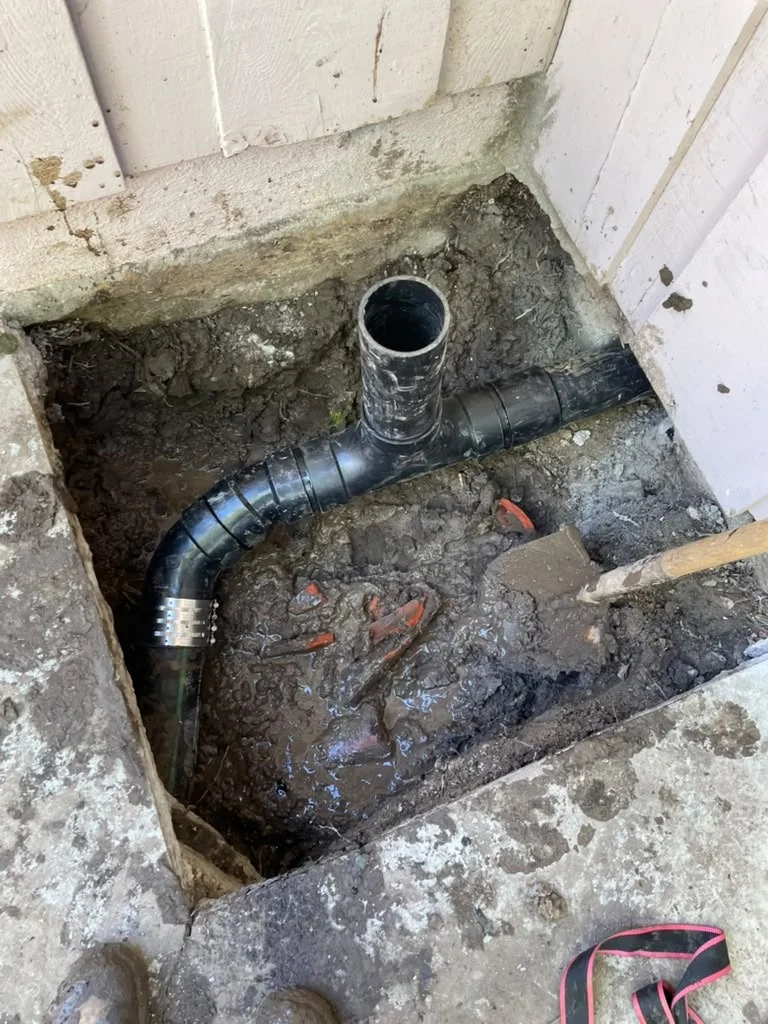 24/7 Emergency Septic Pumping
A septic emergency is the one septic problem that cannot wait. Sewage coming up through a shower drain, a tank overflowing into the yard, or an alarm sounding in the middle of the night all mean the same thing: the system has stopped coping, and every gallon of water you use makes it worse. Clean Septic Tanks answers 24 hours a day, seven days a week, across the Santa Clarita Valley.
The first minutes matter most: stopping water use right away — no laundry, no showers, no extra flushing — keeps the backup from spreading further into the house. Then a pump truck takes the pressure off by emptying the tank, and a quick inspection finds out why it failed. This page explains how to tell a real emergency from a routine problem, what to do first, and what happens when our truck arrives.
Is this an emergency?
Not every septic problem is an emergency, but five situations always are. Sewage backing up into a tub, shower or toilet means wastewater is coming into the house, and it will keep coming until the tank is pumped. A tank overflowing at the lid, or sewage surfacing in the yard, is the same problem outside the house. An alarm sounding on a pumped system means the water level is rising and the pump is not keeping up, and a strong sewage smell inside the house with slow drains in every fixture usually means the tank is full or a line is blocked. A single slow drain or a faint smell near the tank lid is not an emergency.
- Sewage backing up into a tub, shower or toilet
- Tank overflowing at the lid or sewage surfacing in the yard
- Alarm sounding on a pumped system
- Strong sewage smell inside the house with all drains slow
What to do right now
The single most important step is to stop adding water. Every flush, shower and load of laundry sends more water into a system that is already full, and that water has nowhere to go except back into the house or out onto the yard. Tell everyone in the house to stop using water until the truck arrives. Then call us at (661) 441-3952 and tell us what you see — where the sewage is, whether the alarm is sounding, and when the tank was last pumped. Keep children and pets away from any sewage, do not touch it with bare hands, and do not try to pump anything yourself.
- Stop all water use: no laundry, no showers, no extra flushing
- Call (661) 441-3952 and describe what you see
- Keep children and pets away from any sewage
- Do not touch sewage with bare hands
What NOT to do
Do not pour chemical drain cleaners or septic additives into the system. They do not fix a full tank or a failed drain field, and strong chemicals can kill the bacteria the system needs and damage pipes and components. Do not wait to see if it gets better on its own: a septic backup does not clear itself, and both a full tank and a failed field get worse with every gallon. Do not try to pump the tank yourself — septic pumping needs a vacuum truck, proper disposal, and a technician who can see what is wrong inside the tank.
What happens when we arrive
The first job is to take the pressure off the system. The truck pumps the tank down, removing the solids and liquids that are backing up into the house — a full pump-out takes one to two hours in most cases, and it usually stops the backup right away. While the tank is open, the technician inspects the baffles, the filter and the tank walls, and checks the water level, the outlet and the pump. You get a plain explanation of what failed and what it will take to fix it, and the next step is agreed before we leave.
How much does emergency pumping cost?
Emergency pumping costs more than a scheduled pump-out, because it is same-day or after-hours work with a truck dispatched outside the normal schedule. The premium covers the response time, not a different job — the pump-out itself is the same work — and the final price still depends on tank size, how full it is, lid access, and whether anything else is needed. We confirm the price before the work starts. Our cost guide shows the typical market range for same-day emergency pumping, so you can see what the market charges before you call.
After the emergency: repair or replace?
An emergency pump-out stops the crisis, but it does not always end the story. If the tank was simply overdue, the fix may be nothing more than pumping on schedule from now on — every three to five years for most households. If the pump-out only helped for a few weeks, the problem is deeper: a blocked outlet, a broken baffle, a failed pump, or a drain field that no longer absorbs water. That is when the repair-or-replace conversation starts: a single broken part is a repair, done in a day, while a cracked tank or a failed field is a replacement — better planned calmly the week after the emergency than faced as a second emergency a month later.
What to expect from an emergency visit
- A truck dispatched 24/7 across the Santa Clarita Valley
- The tank pumped down to stop the backup right away
- Baffles, filter and tank walls inspected while the tank is open
- A plain explanation of what failed and why
- Repair and replacement options explained before we leave
What it costs
Every tank is different — size, sludge depth, lid access and timing move the number. The exact price comes from a free on-site estimate, but typical ranges for the Santa Clarita Valley are published on the cost guide.
- Typical pumping ranges by tank size
- Inspection, cleaning and add-on fees
- Emergency same-day pricing
- How to keep the bill down
Tell us about your septic system
A few details is all it takes — what you need, your city, and anything you already know. We reply within one business day with next steps and a free estimate.
Prefer to read first? The cost guide breaks down typical prices, and the pumping-frequency guide explains the 3–5 year rule.
Request a Free Estimate
Tell us about your septic system — we reply within one business day.