Cesspool Pumping in Santa Clarita, CA
Older Santa Clarita Valley properties often run on a cesspool or seepage pit, not a tank. We pump them, inspect them, and replace them when they are done — call (661) 441-3952.
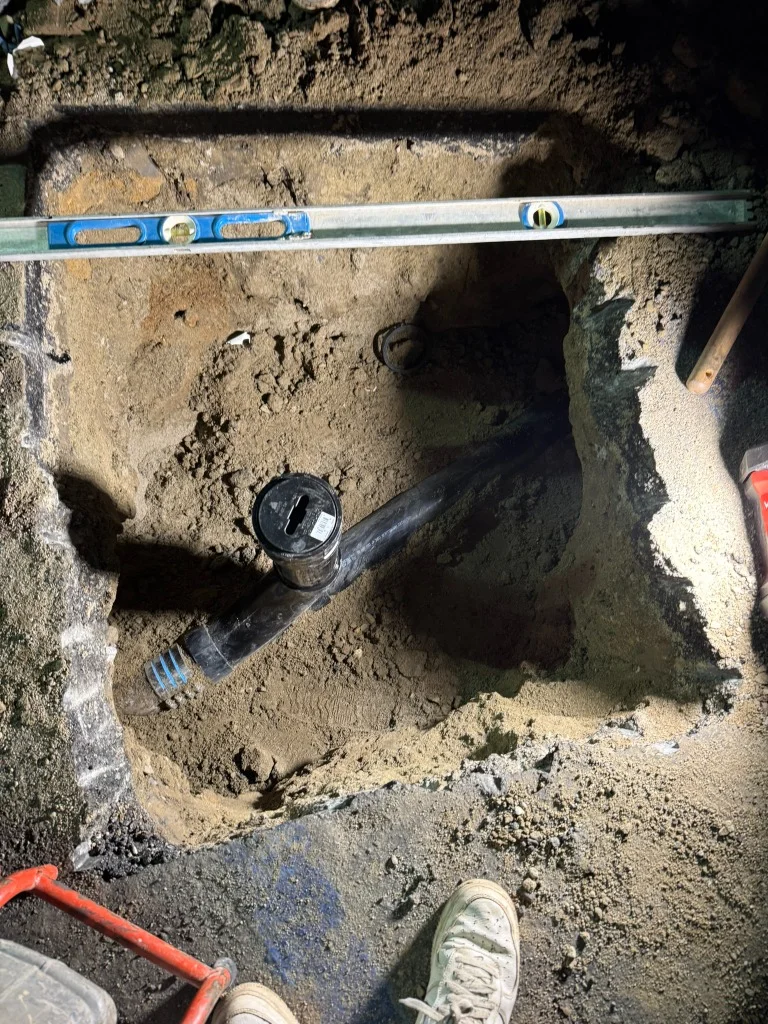 Cesspool Pumping
Not every Santa Clarita Valley home has a septic tank. Older properties — especially hillside lots in Canyon Country, Newhall and Castaic, and rural parcels built before modern septic rules — often have a cesspool or a seepage pit instead. A cesspool is a single underground chamber that takes all of the household wastewater and lets it soak into the ground. It has no separate tank and no drain field, which makes it simpler than a septic system — and harder on the soil beneath it.
Because a cesspool is one chamber doing the whole job, it needs pumping just like a tank — and when it is neglected, it fails in the same ways: slow drains, smells, soggy ground and sewage backing up into the house. The pumping itself is familiar work: the same vacuum truck and process, adapted to a deeper, older structure.
This page explains the difference between a cesspool, a septic tank and a seepage pit, how cesspool pumping works, when pumping is enough, and when the honest answer is replacement with a modern septic system.
Cesspool, septic tank, or seepage pit — which one do you have?
A septic tank is a watertight chamber that separates solids from liquids. The solids stay in the tank and are pumped out every few years, while the liquid flows on to a drain field where the soil filters it: the tank does the settling, and the field does the treating. A cesspool, by contrast, is a single chamber that does both jobs at once — wastewater goes straight into the pit, solids settle to the bottom, and the liquid soaks out through the walls and the floor into the surrounding soil. There is no separate drain field, and the walls of the pit are the filter. Older cesspools are lined with brick, block or concrete rings; newer ones are precast concrete.
A seepage pit is the modern cousin of the cesspool: a deep, lined pit downstream of a septic tank, so it only receives liquid that has already been settled and partly treated. It is a disposal method, not a whole system. Many older Santa Clarita Valley properties have one of these three, and the first step of any job is working out which one is under your yard.
| System | How it works | Common in the Santa Clarita Valley |
|---|---|---|
| Septic tank + drain field | Tank settles solids, field filters liquid | Most homes built in recent decades |
| Cesspool | One chamber takes everything and soaks it away | Older homes, hillside and rural lots |
| Seepage pit | Deep pit that takes liquid from a septic tank | Hillside lots with thin or rocky soil |
Not sure which one you have? The first visit identifies it and records its location.
Can a cesspool be pumped out?
Yes. A cesspool can be pumped out, and it should be, on a regular schedule — just like a septic tank. The vacuum truck removes the liquid and the sludge, which takes the load off the surrounding soil and gives the walls a chance to drain again. For a cesspool that is simply full, a pump-out is often all it needs. Pumping does have limits, though: the walls clog over time as solids and grease coat the soil, and no amount of pumping restores soil that has stopped absorbing. If a cesspool needs pumping every few months, or fills again within weeks of a pump-out, the problem is the pit itself, and replacement is the conversation to have.
How cesspool pumping works
Cesspool pumping starts with finding the pit. Older cesspools are not always marked, and the lid may be buried under a foot or more of soil. We locate it from the house plans, from the direction of the sewer line leaving the house, or with a probe, and expose the lid carefully so it can be opened without damage. A riser is worth considering here, because it turns the next pump-out from a dig into a lift of a lid. Once the lid is open, the vacuum truck hose goes down into the pit and removes the liquid and the sludge. Cesspools are deeper than tanks, so the truck works longer, and the technician breaks up the sludge layer so it can be drawn out.
While the pit is open, the walls and lining are inspected for cracks, collapse or root intrusion, and the water level is checked to see how fast the pit is draining. The waste is hauled away by a licensed hauler for proper disposal. A routine pump-out takes one to two hours in most cases, longer if the lid is buried deep or the pit is very full. Before we leave, we record the lid's location and depth, so the next visit starts with the pit already found.
Septic vs. cesspool: what's better?
A septic system is better, and it is not a close call. A septic tank separates the solids before the liquid reaches the soil, so the drain field or seepage pit only has to handle liquid — and that separation is what makes a septic system last decades: the soil stays cleaner, the field clogs far more slowly, and the tank can be pumped on a predictable schedule. A cesspool, by contrast, puts everything — solids, grease, liquid — straight into the soil. The soil around the pit clogs faster, the pit has no filter to protect it, and there is no way to pump the solids out of the ground once they have soaked in. Cesspools also treat wastewater less thoroughly, which is why modern rules favor septic systems and why a failed cesspool is usually replaced with a septic system rather than another cesspool. If your cesspool is working, keep pumping it on schedule; if it is failing, replacement with a septic system is the upgrade that ends the cycle.
When a cesspool needs replacing (not pumping)
The clearest sign is frequency. A cesspool that needs pumping every few months, or that fills again within weeks of a pump-out, has soil around it that no longer absorbs. Pumping removes the contents, but the walls stay clogged, so the pit fills again almost immediately. Structural failure is the second sign: a lining that is cracked, collapsing or letting soil fall into the pit cannot be patched back to reliable service, and a collapsed pit is a safety hazard as well as a sanitation problem. Sewage surfacing in the yard, or backing up into the house even with an empty pit, points the same way. When any of these appear, we inspect the pit, explain the options, and price a replacement with a modern septic system designed for the lot.
- Pump-outs needed every few months, not every few years
- Pit fills again within weeks of being pumped
- Cracked, collapsing or caving lining
- Sewage surfacing in the yard, or backing up with an empty pit
Seepage pits: construction & replacement
A seepage pit is built as part of a septic system, downstream of the tank: a deep, lined excavation — usually precast concrete rings — that lets treated liquid soak into the ground below the surface. Seepage pits fit lots where a shallow drain field will not: steep hillside parcels, narrow lots, or ground where the good soil is deep down and the surface is rock or clay. Building one starts with the same site evaluation as any septic installation — soil tests, water table checks and setbacks — then the pit is excavated, the rings set and sealed, and the top covered and marked. A new seepage pit is often built when replacing a failed cesspool, because a lot that could not take a drain field thirty years ago usually still cannot, and a tank plus a seepage pit is the modern system that fits that ground.
What it costs
Cesspool pumping is priced like septic pumping: it depends on the size and depth of the pit, how full it is, and how hard the lid is to reach. A pit with a riser and a marked lid is a fast job; a buried lid that has to be located and dug out adds time, and a very deep pit takes longer to pump. The exact price for your property comes from a free on-site estimate. Replacement is a bigger decision, and its price depends on whether the new system is a tank and seepage pit or a tank and drain field, on the soil, and on access. Our cost guide shows the typical market ranges for pumping, inspection and full-system replacement, so you can see the market before the estimate. We will not quote a flat number for a pit we have not seen — a cesspool's condition is only known once the lid is open.
What to expect from a cesspool visit
- The pit located and the lid exposed
- Full pump-out by vacuum truck, sludge broken up
- Walls and lining inspected while the pit is open
- Lid location and depth recorded for next time
- An honest call on pumping vs. replacement if the pit is failing
- Waste hauled away by a licensed hauler
What it costs
Every tank is different — size, sludge depth, lid access and timing move the number. The exact price comes from a free on-site estimate, but typical ranges for the Santa Clarita Valley are published on the cost guide.
- Typical pumping ranges by tank size
- Inspection, cleaning and add-on fees
- Emergency same-day pricing
- How to keep the bill down
Tell us about your septic system
A few details is all it takes — what you need, your city, and anything you already know. We reply within one business day with next steps and a free estimate.
Prefer to read first? The cost guide breaks down typical prices, and the pumping-frequency guide explains the 3–5 year rule.
Request a Free Estimate
Tell us about your septic system — we reply within one business day.